
Global nickel markets are in an uncomfortable place. Prices have halved since 2022 amid persistent oversupply of both Class 1 and Class 2 refined nickel, and prices are falling for stainless steel, the production of which is the main source of nickel demand.
At the same time, absolute demand for nickel-based cathodes has grown quickly as the overall electric vehicle market expands, and industry forecasts project strong growth in nickel-based battery demand through 2040. Batteries are forecast to account for 40% of nickel demand by 2040, up from 24% today.
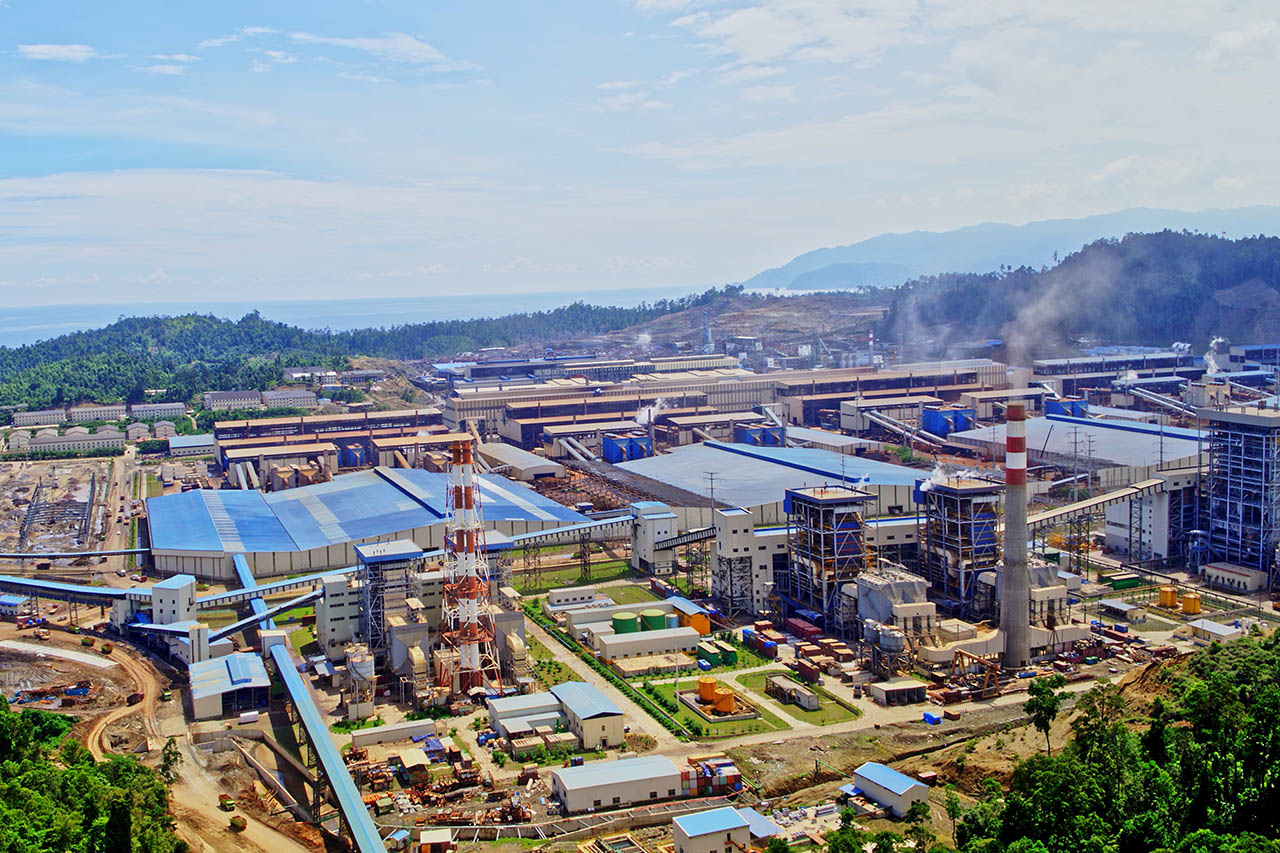
For Indonesia and the Philippines, which together mine approximately 70% of the world’s nickel, proactive steps to address the challenges facing nickel and seize opportunities linked to battery supply chains are a priority.
A new IGF report, Developing Sustainable Nickel-Based Battery Value Chains in Indonesia and the Philippines, presents an assessment of how the two countries are navigating this moment and argues that achieving the right balance of investor protection and policy flexibility will be key.
Protecting Investor Confidence in a Volatile Market
Nickel mining, refining, and battery-related industries require large, long-term capital commitments that are highly sensitive to regulatory uncertainty. Frequent shifts in export restrictions, royalties, taxes, and local content rules raise investor risk, delay projects, and can reduce competitiveness relative to other emerging critical mineral producers.
Regulatory and fiscal frameworks that are flexible enough to adapt to changing market conditions while staying grounded in transparent, predictable rules-based decision making, genuine industry consultation, and credible enforcement can help. International guidance, such as the Organisation for Economic Co-operation and Development’s Guiding Principles on Durable Extractive Contracts and the Intergovernmental Forum on Mining, Minerals, Metals and Sustainable Development report Evolving Standards on Stabilization, offers a useful reference point for governments trying to strike that balance.
Exploration Is Falling Behind Production, Impacting Reserves
A key area for the two governments to improve conditions for investors is mineral exploration. Both countries’ shares of global nickel production far exceed the shares of nickel-focused exploration spending that they attract. As of 2024, Indonesia accounted for 59% of global nickel output but attracted only 3% of global nickel-focused exploration spending, whereas the Philippines produced 9% of global output and captured just 2% of exploration spending. Both countries now receive far less exploration investment than at their respective peaks in 2010 (Indonesia) and 2011 (Philippines).
Declining ore grades, rising production costs, and an oversupplied market are discouraging exactly the kind of exploration investment that would secure the resource base both countries will need over the next decade. Expanding geological surveys, improving public access to high-quality geoscience data, streamlining licensing, and introducing targeted incentives such as accelerated depreciation or exploration tax credits should be treated as strategic priorities.
Canada offers a proven model of what well-designed fiscal incentives can achieve. Flow-through share financing now accounts for close to 70% of all funds raised on Canadian stock exchanges for mineral exploration.
Regional cooperation could reinforce this at the Association of Southeast Asian Nations (ASEAN) level by building out the ASEAN Minerals Information System and accelerating implementation of the ASEAN Minerals Exploration Strategy, which remain underused relative to their potential.
Ensuring High Environmental, Social, and Governance Standards
Strengthening investor confidence does not mean weakening environmental, social, and governance (ESG) regulations. In addition to the inherent importance of ESG standards, alignment with international standards is increasingly important for export competitiveness. Key areas for the two countries to consider include tailings and mine waste management, water management, industrial decarbonization, biodiversity protection, and land-use planning. Both countries could enhance risk assessment, regulatory capacity, enforcement mechanisms, and technical expertise.
Regional Cooperation: Why none of this works in isolation
Each of these levers (investor confidence, exploration, and ESG standards) is a common problem for both countries, and they call for a regional response.
In particular, there are concrete opportunities for ASEAN to move beyond cooperation on mineral trade and toward genuinely integrated value chains, including shared geological data systems, harmonized ESG and reporting standards, pooled technical training and research and development centres, coordinated infrastructure and energy planning, and joint recycling systems for the growing volume of end-of-life batteries the region will need to manage. Done well, this kind of coordination does not just support Indonesia and the Philippines individually: it strengthens ASEAN’s collective credibility and bargaining power with global automakers and battery manufacturers seeking a diversified, traceable, lower-carbon supply.
National reforms give Indonesia and the Philippines the tools to develop domestic industrial capabilities. Regional coordination is what could turn those tools into a stronger competitive hub, positioning ASEAN as a key, integrated player in the next generation of sustainable battery and clean energy supply chains.
Read the full report: Developing Sustainable Nickel-Based Battery Value Chains in Indonesia and the Philippines