
The mining sector plays a critical role in the economic growth of many African countries. However, these states face significant challenges when negotiating mining agreements with foreign investors. Information asymmetries, imbalances in bargaining power, and the increasing complexity of financial, legal, and technical mining project models can limit their ability to secure fair and sustainable terms.
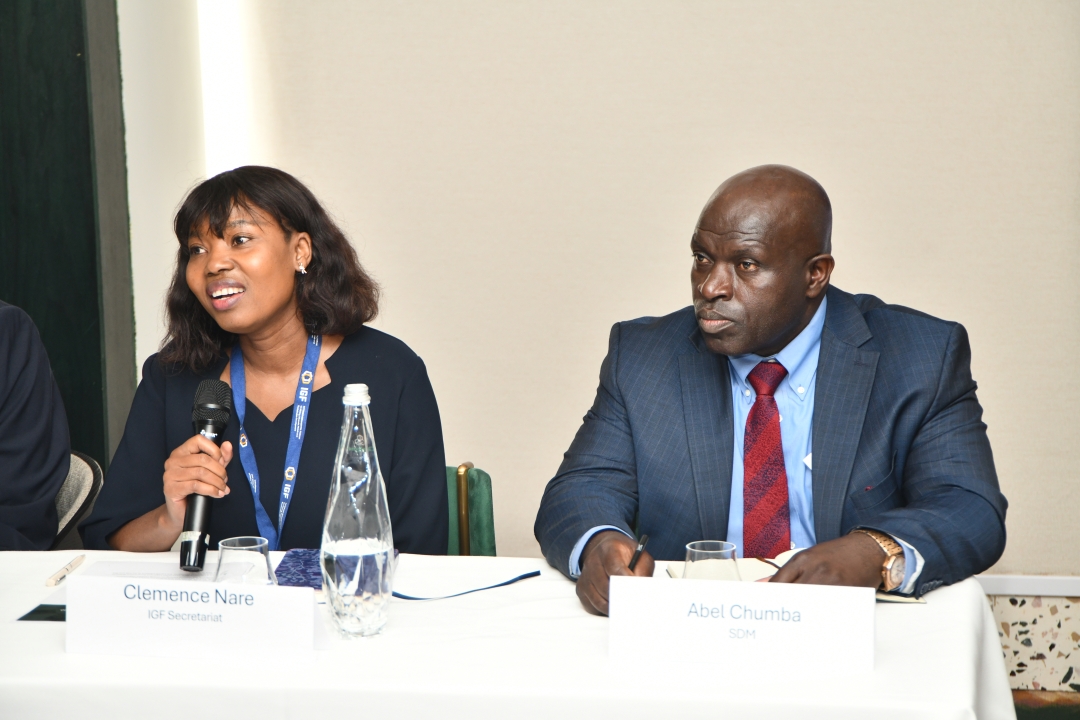
IGF experts, in partnership with CONNEX and African Legal Support Facility, delivered a five-day workshop in Nairobi, Kenya. The workshop brought together approximately 50 delegates to:
- Strengthen technical and legal capacities of national negotiation teams
- Reduce information and power asymmetries in negotiations
- Align mining contracts with national sustainable development objectives
- Strengthen regional cooperation and peer learning
This was the second pilot of an initiative which began with a workshop held in Republic of the Congo. A third pilot is planned for Latin American and Caribbean (LAC) countries later this year.
Participants experienced a combination of technical learning with practical application. The programme unpacked what mining contracts are, how they evolve across the project life cycle, and the critical groundwork required before negotiations begin. This included market analysis, financing structures, and investor due diligence.
As the workshop progressed, attention turned to common challenges in modern negotiations, core negotiation theories, and practical tools. Participants explored the legal and fiscal dimensions of mining agreements, including stabilisation clauses, dispute resolution, environmental and gender in mining contracts. They also focused on the sequencing of permits. Case studies from across Africa highlighted approaches to value addition and local economic development.
Interactive elements were central throughout. Role-play exercises and a final multi-stakeholder simulation allowed participants to apply new skills in realistic settings. Meanwhile, peer exchanges helped build lasting professional connections. By the end, participants had developed concrete action plans and gained clarity on how to strengthen approaches to negotiating and managing mining contracts.
Well-prepared and balanced negotiations don’t only maximize economic, fiscal, and social benefits. They also promote responsible resource management, reduce the risk of international disputes, and foster sustainable partnerships between governments and investors.