
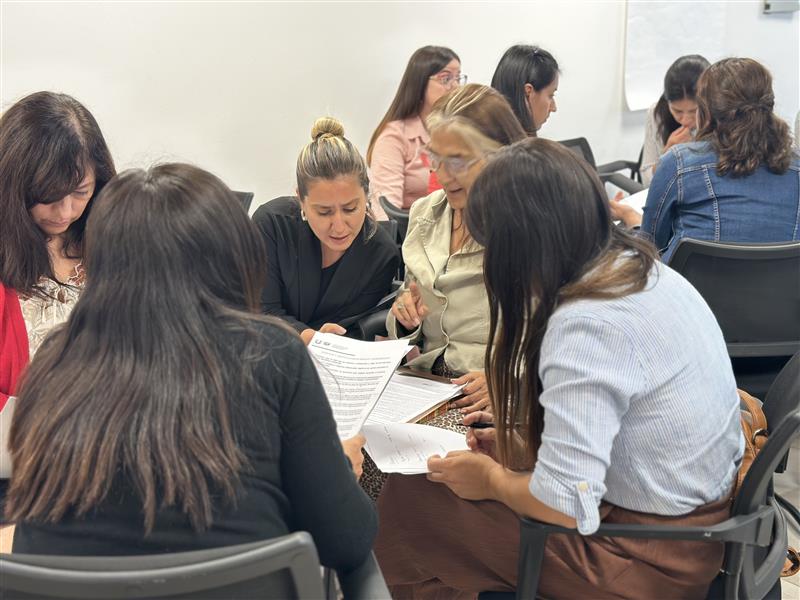
The IGF recently delivered a two-day capacity-building workshop in Catamarca, Argentina, aimed at strengthening how environmental decisions in the mining sector account for gender-differentiated impacts. By integrating gender considerations into Environmental Impact Reports (EIR), the initiative supports more inclusive, evidence-based decision-making that better reflects the realities of affected communities.
Working in coordination with the Government of Catamarca, IGF experts supported provincial authorities and other stakeholders in applying practical methodologies to identify and assess gender-specific risks and opportunities. The training emphasized hands-on application, enabling participants to move beyond high-level concepts and incorporate gender analysis directly into project baselines, impact assessments, and mitigation plans.
Through a combination of technical presentations and hands-on group exercises, participants developed skills across four core areas of gender-integrated reporting:
- Gender-Sensitive Methodology: Integrating gender indicators into the initial project description and baseline data collection.
- Gap and Risk Identification: Small-group analysis of the specific risks faced by women regarding employment, resource access, and community safety.
- Impact Mitigation: Strategies for preventing gender-based violence and maximizing economic opportunities for women in areas of mining influence.
- The Role of the State: Defining the responsibilities of project proponents and government regulators in upholding inclusive environmental standards.
Impact
As a result of the workshop, provincial regulators and other stakeholders are now better equipped to systematically assess the gender dimensions of environmental impacts and to integrate these considerations into regulatory review processes. Participants applied these tools to real-world scenarios, identifying context-specific risks and opportunities within Catamarca’s mining sector.
This training strengthens institutional capacity to integrate gender considerations into environmental impact assessments, ensuring they are addressed consistently in both analysis and decision-making.
This initiative represents a concrete step toward embedding gender equality into environmental governance. By aligning provincial EIR processes with international good practices, it strengthens the implementation of the IGF’s Mining Policy Framework and lays the groundwork for more inclusive and sustainable mining development.